TL;DR
Commercial cleaning contracts are won on paperwork-readiness first: a certificate of insurance, a janitorial bond, a W-9, and net-30 invoicing, ready to send the hour a property manager asks. With that packet built, the channels rank: direct relationships with property managers (highest value, slowest), walk-in canvassing of small offices (fastest first contract), government and school bid boards (real money, brutal paperwork), and janitorial lead brokers (fastest but you pay the margin). One mid-size office cleaned nightly is worth a whole street of houses, which is why the boring COI beats any ad budget in this niche.
Residential cleaning sells to a homeowner in one conversation. Commercial cleaning sells to a property manager who answers to an owner, requires insurance paperwork before the first walkthrough, and signs contracts by the year. Different buyer, different game, and mostly a better one: recurring nightly revenue, one decision-maker per building, and no 9am "skip me this week" texts. Here is how the contracts actually get won.
Build the packet before you pitch anything
Every commercial conversation eventually hits the same wall: "send over your COI." Property managers cannot legally let you in the building without it, and the operator who responds in an hour beats the one who spends two weeks getting insured. The packet:
- General liability certificate, typically $1M/$2M, with the ability to name the property as additional insured. This is table stakes; many managers also want to see workers comp the moment you have employees.
- A janitorial bond. Cheap (often a few hundred a year), and it answers the theft question before it is asked.
- W-9 and simple net-30 invoicing. Commercial pays on statements, not on the spot; our cleaning contract template covers the commercial clauses.
- A one-page capability sheet: services, buildings you clean (or crew experience while the list is short), your insurance limits, and a direct phone number.
The channels, ranked
1. Property managers, cultivated directly. One PM firm runs dozens of buildings, and they change janitorial vendors when the current one slips, which is often. The play is patience: introduce yourself with the packet, ask to be the backup bid the next time a contract renews, and check in quarterly. You are not selling cleaning; you are selling being the reliable name in the drawer on the day the incumbent no-shows. Two or three PM relationships can fill a night crew's whole week.
2. Walk-in canvassing of small offices. Dentists, law offices, daycares, gyms, small medical: buildings big enough to pay for nightly or 3x-week service, small enough that the office manager IS the decision-maker. Walk in mid-morning, ask who handles the cleaning service, leave the capability sheet, and quote the walkthrough same-week. This is the fastest route to a first contract, and the win rate climbs once you can name other businesses on the same street.
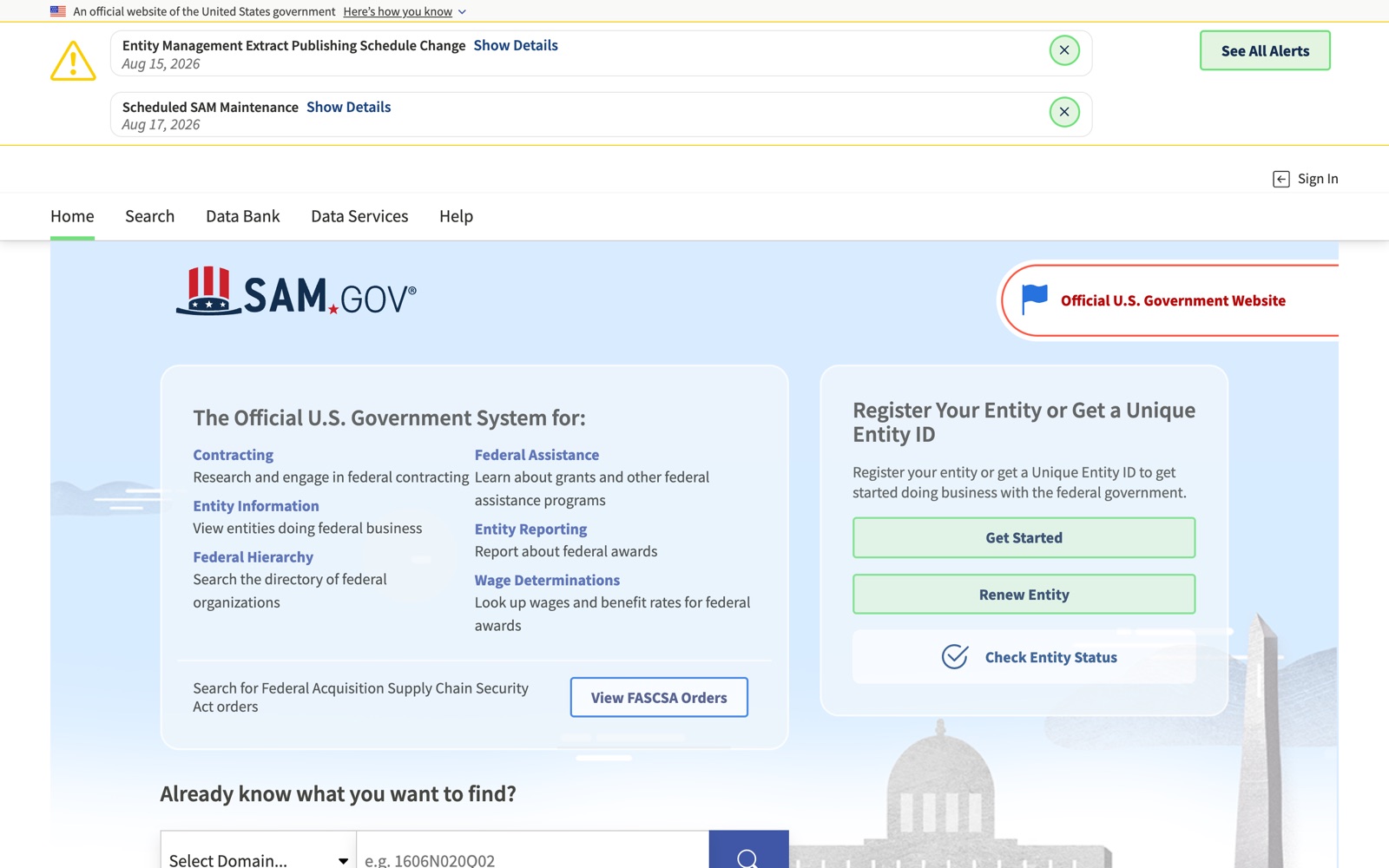
3. Bid boards and government work. Schools, municipalities, and agencies post janitorial RFPs publicly (state procurement sites, SAM.gov federally, plus regional boards). The money is real and the terms are long; the price is paperwork, prevailing-wage rules on some contracts, and 60-to-90-day award cycles. Read a few winning bids before writing one, and start with small municipal buildings rather than the school district.
4. Janitorial lead brokers and national facility companies. Companies that hold master contracts and subcontract the actual cleaning. Fast revenue while you build direct business, at the cost of the margin they keep and their SLA penalties. A reasonable bridge, a poor destination; the operators who stall are the ones still subcontracting in year five.
Pricing: the walkthrough is the sale
Commercial quotes come from a walkthrough: square footage, floor types, restroom count, trash volume, and frequency. Rules of thumb that keep new bidders out of trouble: price from your loaded hourly cost (wages, taxes, insurance, supplies) times realistic hours, not from the square-foot folklore numbers on forums (the loaded-cost multiplication is worked through in our cleaning pricing guide); nightly service prices per month, not per visit; and the restrooms-and-trash portion of the job takes longer than anyone estimates. Quote a monthly number with a per-area service spec attached, walk the building with the manager, and say what you will NOT do (exterior windows, carpet extraction) with add-on prices, which reads as competence, not weakness.
Commercial buyers check your website before they call back.
We build cleaning-company sites that read as established to a property manager, with the reviews and service pages that back up your bid.
Keeping the contract you won
Commercial churn has one dominant cause: quality drift after month three. The defenses are boring and effective: a per-area checklist the crew signs nightly, a monthly walkthrough with the manager on the calendar (you finding the problems before they do), and a same-day fix rule for complaints. The contract renewal conversation is easy when the manager's file on you is empty of incidents. This is also where the recurring-schedule software from our cleaning CRM guide earns its subscription, tracking the checklists and the route.
The commercial pipeline is one of six systems we build for cleaners; the full picture is on our cleaning business marketing page.
What to skip
- Skipping the bond and insurance to start cheaper. It locks you out of every building worth cleaning.
- Buying shared commercial leads. The PM who blasts a quote request to five companies is shopping price; the one who calls you from a referral is shopping reliability.
- Underbidding the first contract to get in. Commercial contracts are hard to reprice mid-term, and a contract that loses $200 a month loses it for twelve months.
Residential and commercial can absolutely coexist in one company; the residential playbook (reviews, local search, the booking funnel) is covered in how to get cleaning clients, and if the company itself is still on paper napkins, start with the name and a website that converts.
If you want to buy the walkthroughs while the outreach engine builds, the lists, appointment setters, and marketplaces are compared in where to buy commercial cleaning leads.
Want to look established before the first walkthrough?
Send us your website, or the fact that you don't have one. Free 10-minute audit, delivered within 48 hours.