TL;DR (answer-first)
Roofing marketing works when you build assets you own: a complete Google Business Profile, a relentless review habit, service and city pages, a storm response system, and a referral engine. Purchased leads are the most expensive way to grow in roofing, so use them to fill gaps, not as the plan. The paid channels are priced side by side, with a full-year budget for a $3 million roofer, in the roofing advertising guide.
Want the whole system run for you? See roofing marketing or book a strategy call.
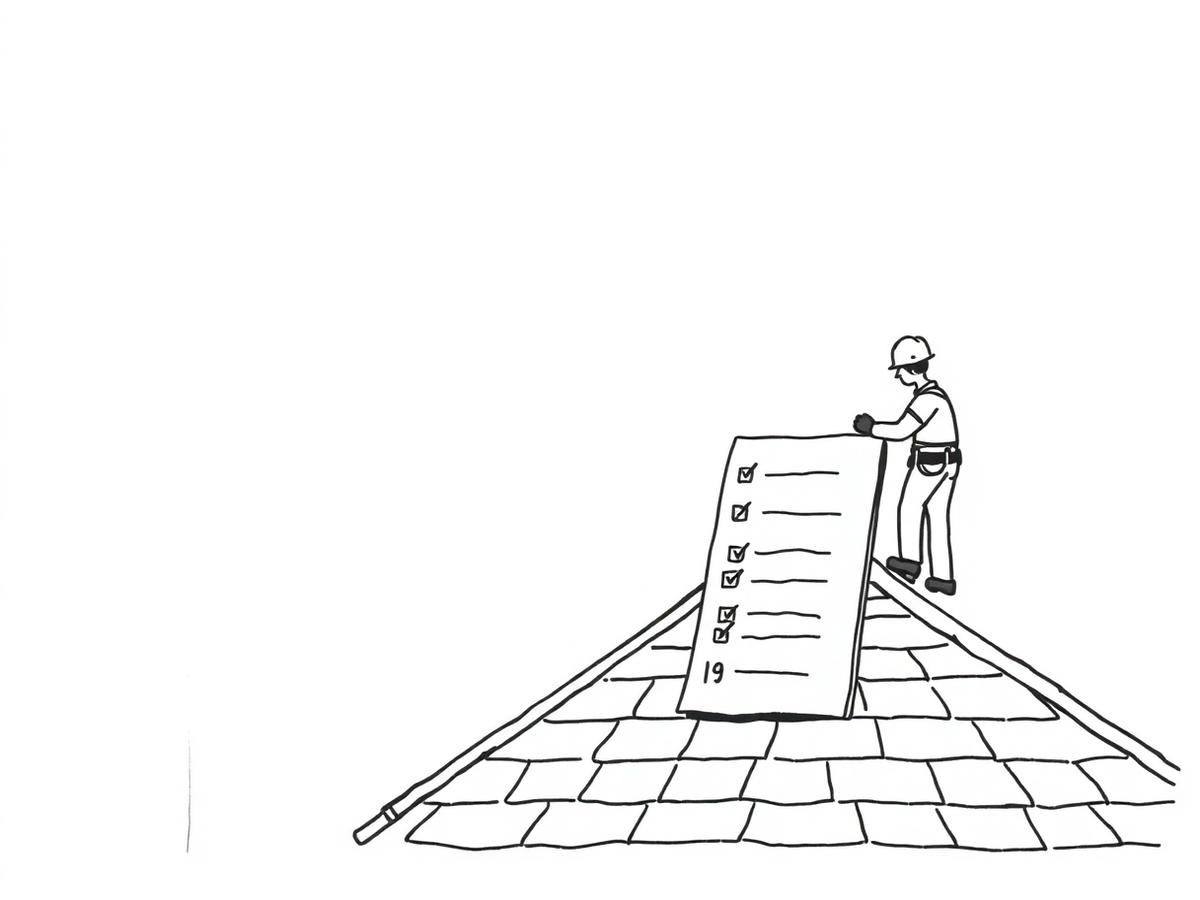
Roofing is a great business to market and a brutal one to market badly. The jobs are high-value, so competition is fierce and purchased leads are expensive. The roofers who win are not the ones who spend the most; they are the ones who build marketing they own and control. These 19 ideas are ordered roughly by return on effort. Start at the top.
The foundation (do these first)
1. Claim and optimize your Google Business Profile. This drives the map pack, which is where most roofing calls begin. Complete every field, choose accurate categories, and add real photos of finished roofs.
2. Build a review engine. In a trade this competitive, reviews often decide the map pack. Ask every homeowner the moment their new roof is done, send a direct review link by text, and reply to all of them. Aim well past 100 at a 4.7-plus average.
3. Get your business details identical everywhere. Matching name, address, and phone across Google, Yelp, Angi, BBB, and Nextdoor reinforces that you are a real local roofer and supports ranking.
4. Make your website fast and phone-first. Storm and emergency searches happen on mobile. A tappable phone number and a fast-loading quote form up top win jobs that a slow site loses.
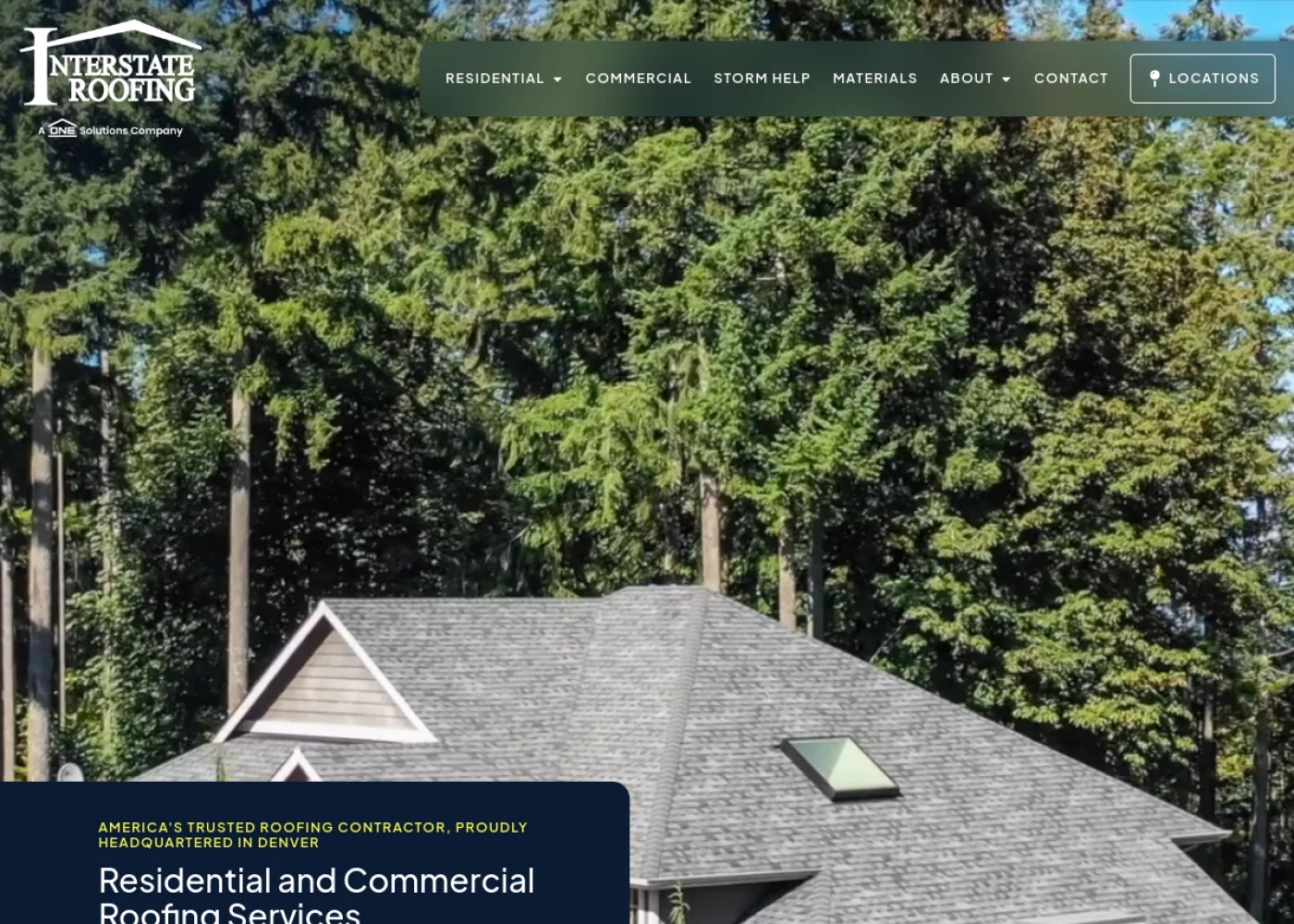
5. Have a clear, trust-building homepage. Lead with your service area, proof of quality, and an obvious next step. Here is a clean example.
Winning the searches you already get
6. Build a page for every roofing service. Roof replacement, roof repair, storm and hail damage, metal roofing, gutters. One page each, so you rank for each specific search.
7. Build a page for every city you serve. "[Service] [city]" pages let you rank across your whole territory, where big competitors often have only generic coverage.
8. Publish the money-question articles. "How much does a new roof cost," "signs you need a new roof," "does insurance cover roof damage." These capture research-stage homeowners and get you quoted by AI search tools.
9. Add schema and FAQs to key pages. Structured data helps you win rich results and the expandable questions on the search page.
10. Run Local Service Ads. The Google Verified badge sits above everything and charges per lead. For high-value roofing jobs, being first when someone searches "roofer near me" is usually worth it.
Roofing-specific plays
11. Build a storm response system. A hail or wind event creates a wave of urgent demand. Have a storm-damage landing page, keep your ads and profile live in the affected area, and be ready to respond fast. This is roofing's signature lead spike.
12. Master the insurance conversation. Much roofing work runs through insurance claims. Content and sales materials that clearly explain the claims process build trust and win jobs competitors fumble.
13. Use yard signs and neighbor canvassing. A new roof is visible to the whole street. A yard sign during the job plus a friendly knock on neighbors' doors turns one job into three.
Getting more from every customer
14. Systematize referrals. A new roof is the most visible work in home services. Make referring you easy and rewarding; roofing referrals convert exceptionally well because neighbors can see the result.
15. Reactivate and maintain past customers. Offer roof inspections and gutter cleaning to past customers by email and text. It keeps you in front of the people most likely to refer you.
16. Use a CRM to respond instantly. Speed to lead decides who gets the inspection.
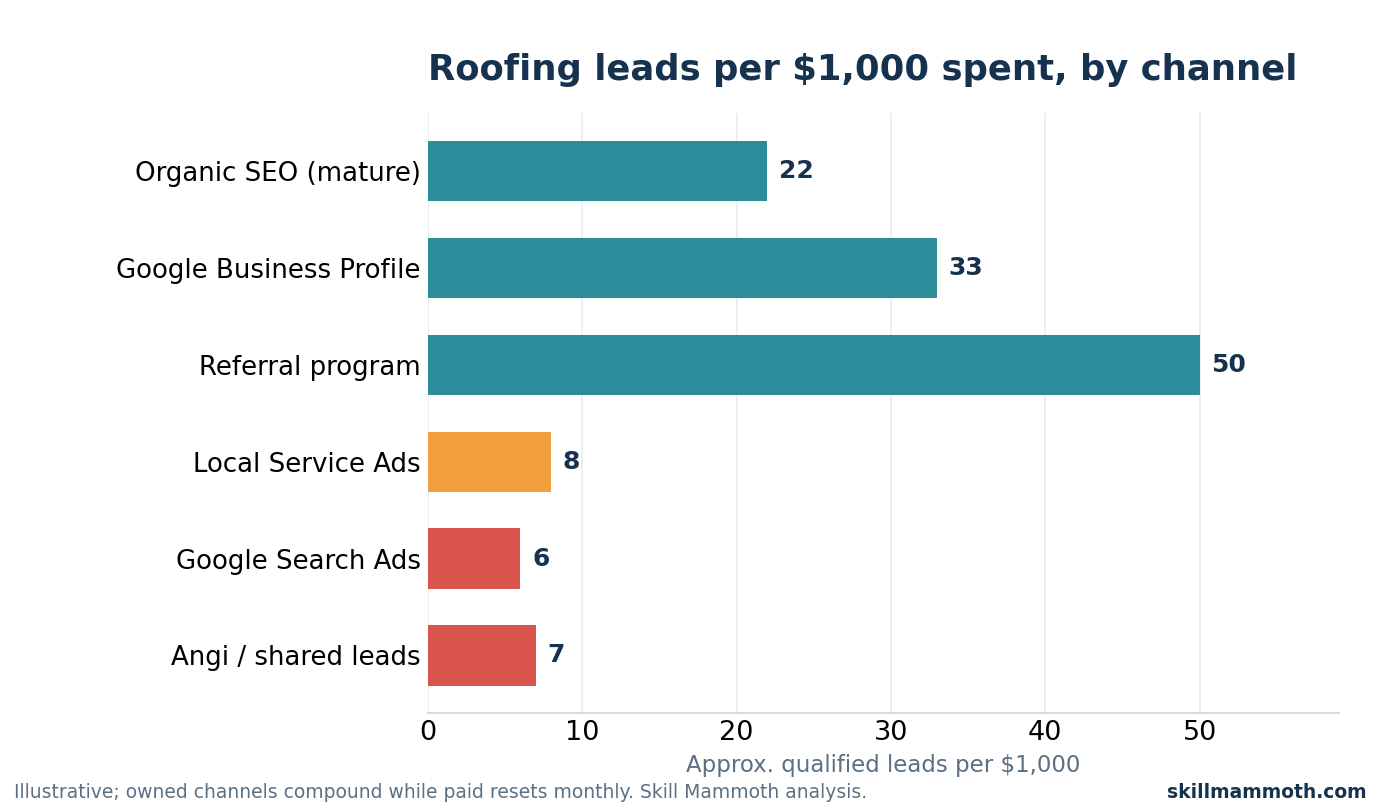
Owned channels return far more per dollar than purchased leads, and they compound. A field-service CRM that texts leads back within seconds makes sure you are the first roofer to respond, which is often the roofer who wins.
Standing out and reaching new customers
17. Show your work on social. Before-and-after photos and short drone clips of finished roofs build trust and feed the algorithm. Real beats polished.
18. Wrap your trucks and brand your job sites. A branded truck and clean, well-signed job sites are billboards in the exact neighborhoods you want more work in.
19. Be active on Nextdoor. Neighborhood recommendation threads drive real roofing calls. Claim your business and be genuinely helpful.
How to start
Do not try all 19 at once. Spend your first month on the foundation (ideas 1 through 5), then add service and city pages, then build reviews and referrals as permanent habits. Layer storm response on top so you are ready when the weather creates demand. That order puts the highest-return work first.
Related reading: how to get roofing leads, HVAC marketing ideas, and plumber marketing ideas.
Storm-season lead forms and the before-and-after creative that fills them are covered in Facebook ads for contractors.
FAQ
What is the best marketing channel for roofers?
Your Google Business Profile paired with a relentless review habit. It drives the map pack, costs nothing, and supports every other channel including AI search. Storm response and referrals layer powerfully on top.
How much should a roofing company spend on marketing?
A common benchmark is 5 to 10 percent of revenue, weighted toward owned assets (website, reviews, content) rather than purchased leads, which stay expensive in roofing.
How do roofers market after a storm?
Prepare in advance: a storm-damage landing page, active Local Service Ads and Google Business Profile in the affected area, and a fast response system so you reach homeowners first.
Is roofing SEO worth it given how competitive it is?
Yes. It is harder than in other trades, but the payoff is larger because the jobs are worth more and purchased leads are so expensive. A deliberate plan built on Google Business Profile, reviews, and city pages wins.
Want these ideas turned into a roofing plan for your market?
Book a free strategy call. We helped M&T Roofing double their leads month-over-month.